
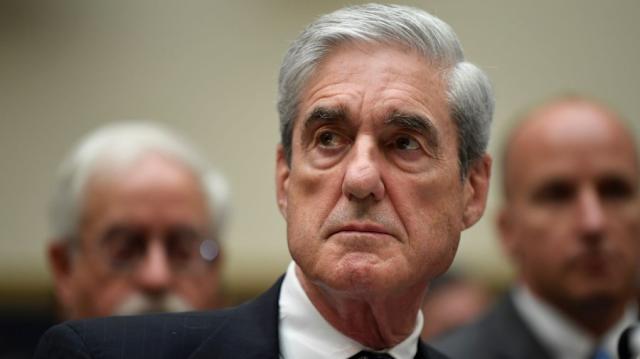
In a surprising turn of events, a House committee probing the Justice Department’s handling of the Jeffrey Epstein case has pulled back a subpoena aimed at former FBI Director Robert Mueller, citing concerns over his health. The decision, announced on September 1, 2025, comes amid a broader investigation into one of the most notorious criminal cases in recent history, raising questions about accountability, justice, and the challenges of revisiting a dark chapter. As Mueller steps out of the spotlight, the committee’s move underscores the complexities of balancing truth-seeking with compassion.
A Sudden Shift in the Investigation
The House Oversight Committee, tasked with examining the Justice Department’s actions in the Jeffrey Epstein sex trafficking case, had directed Mueller to appear for a deposition on Tuesday, September 2, 2025. The subpoena, issued last month, was part of a sweeping effort to question former law enforcement and government officials about their roles in the years-long investigation into Epstein, the wealthy financier whose August 2019 death, ruled a suicide, followed his arrest on sex trafficking charges. But the committee’s plans changed abruptly after learning of unspecified health issues that precluded Mueller from testifying, according to a committee statement.
Reports indicate Mueller was diagnosed with Parkinson’s disease in the summer of 2021, a condition that has impaired his ability to speak, as confirmed by his family and close associates. The committee’s decision to withdraw the subpoena reflects a rare moment of deference in a high-stakes probe, acknowledging the former FBI director’s inability to participate due to his declining health.
Mueller’s Storied Legacy
Robert Mueller, appointed FBI director in 2001 by President George W. Bush, is a towering figure in American law enforcement. He led the bureau for over a decade, guiding its transformation into a national security and intelligence-gathering powerhouse before resigning in 2013. In 2017, the Justice Department tapped him as special counsel to investigate potential coordination between Donald Trump’s 2016 presidential campaign and Russia. Over two years, his team uncovered pervasive Russian efforts to interfere in the election on Trump’s behalf, securing criminal charges and convictions against multiple Trump associates, though it found insufficient evidence to prove an illegal conspiracy.
Mueller’s testimony before Congress in July 2019, however, drew attention for its stilted and halting delivery, a stark contrast to his reputation for precision. Now, with his Parkinson’s diagnosis shedding light on those struggles, the public is reminded of the personal toll borne by even the most resolute public servants. His health challenges have now shielded him from testifying in the Epstein case, leaving the committee to refocus its efforts elsewhere.
The Epstein Case: A Long Shadow
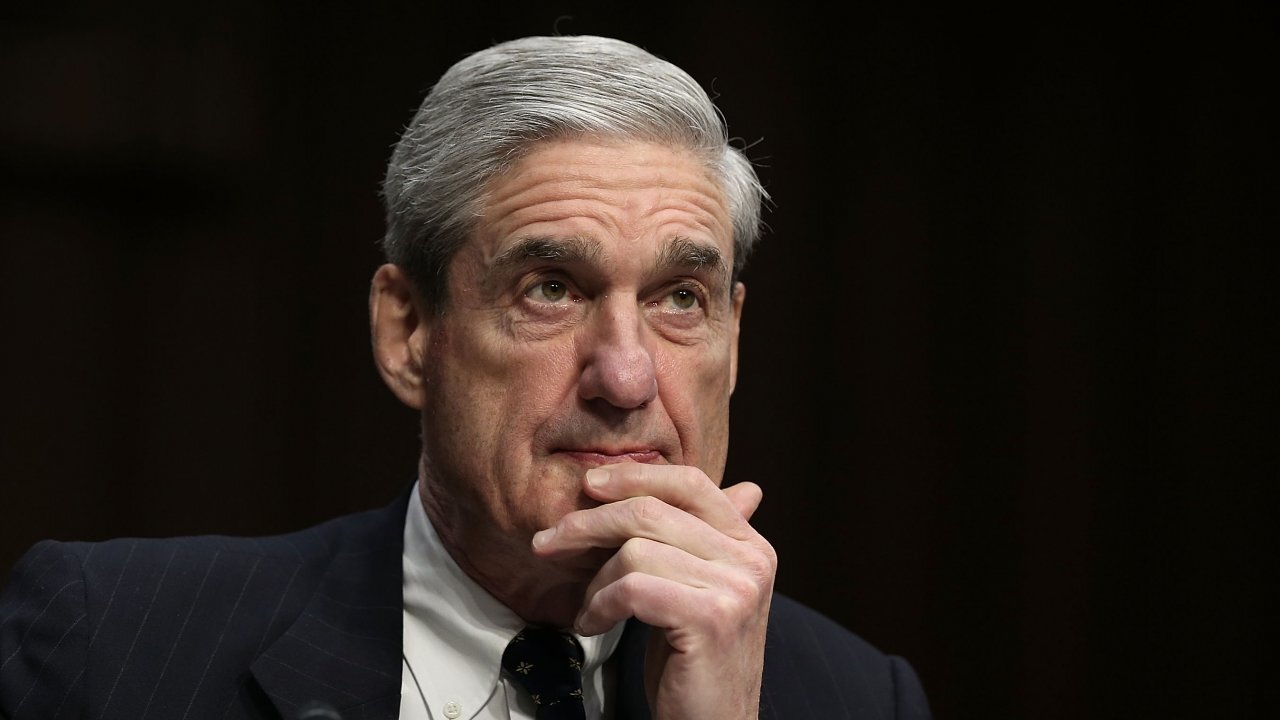
The Jeffrey Epstein investigation remains a lightning rod for scrutiny, with allegations of systemic failures in how the Justice Department handled the financier’s crimes. Epstein’s death in custody, ruled a suicide, sparked widespread speculation and distrust, fueling demands for accountability. The House Oversight Committee, led by Rep. James Comer of Kentucky, issued subpoenas to Mueller and more than a half-dozen other former officials last month, seeking insights into their potential involvement in the case.
The committee’s probe aims to unravel why Epstein’s crimes, spanning decades, were not fully addressed earlier, despite his high-profile connections and wealth. Mueller’s tenure as FBI director overlapped with key moments in Epstein’s legal battles, making his perspective potentially valuable. However, his withdrawal from the process leaves a gap, as the committee must now rely on other witnesses to piece together the puzzle of institutional oversight—or lack thereof.
A Community Reflects on Justice and Compassion
The decision to withdraw Mueller’s subpoena has sparked mixed reactions. Some see it as a humane acknowledgment of his health struggles, while others argue it risks stalling a critical investigation. Parkinson’s, a neurologic disease characterized by tremors, slow movement, and speech difficulties, has no cure, though treatments can help manage symptoms. The New York Times reported that Mueller’s diagnosis, confirmed by his family, has significantly impacted his ability to engage in public settings, a reality that likely influenced the committee’s choice.
In communities following the Epstein case, there’s a tension between the pursuit of truth and the recognition of human limits. “It’s frustrating to lose a key voice, but you can’t ignore someone’s health,” one local resident shared on social media, echoing a sentiment felt by many. The Epstein saga, already fraught with conspiracy theories and unanswered questions, now faces another hurdle, prompting renewed calls for transparency from other sources.
What Lies Ahead for the Investigation
With Mueller out of the picture, the House Oversight Committee is recalibrating its approach. Other former officials, also subpoenaed, may provide critical testimony to fill the gaps. The investigation’s scope—examining the Justice Department’s handling of Epstein’s case—remains expansive, with potential implications for how high-profile cases are managed. Comer’s leadership signals a commitment to pressing forward, though the loss of Mueller’s perspective is a setback.
The broader question looms: How will the committee balance its pursuit of accountability with the realities of aging witnesses and complex histories? As the Epstein case continues to resonate, the public awaits further developments, hoping for clarity on a case that has long symbolized systemic failures. For now, Mueller’s health has shifted the focus, reminding us that even the most resolute quests for justice must navigate the frailties of those involved.