
In the quiet Dallas suburb of Frisco, a community is reeling from the tragic death of a 15-month-old child left in a swelteringly unbearable car, a preventable loss that has sparked grief and outrage. On August 16, 2025, Vanessa Esquivel, a 27-year-old mother from Dallas, allegedly left her toddler unattended for over two hours in a vehicle with no working air conditioning, as temperatures soared to at least 95 degrees. The child’s death, ruled a homicide, has led to Esquivel’s arrest on murder charges, shining a harsh light on the dangers of hot car incidents and the profound consequences of a single decision. Here’s a deeper look at this devastating case and its ripple effects.
A Day That Ended in Tragedy

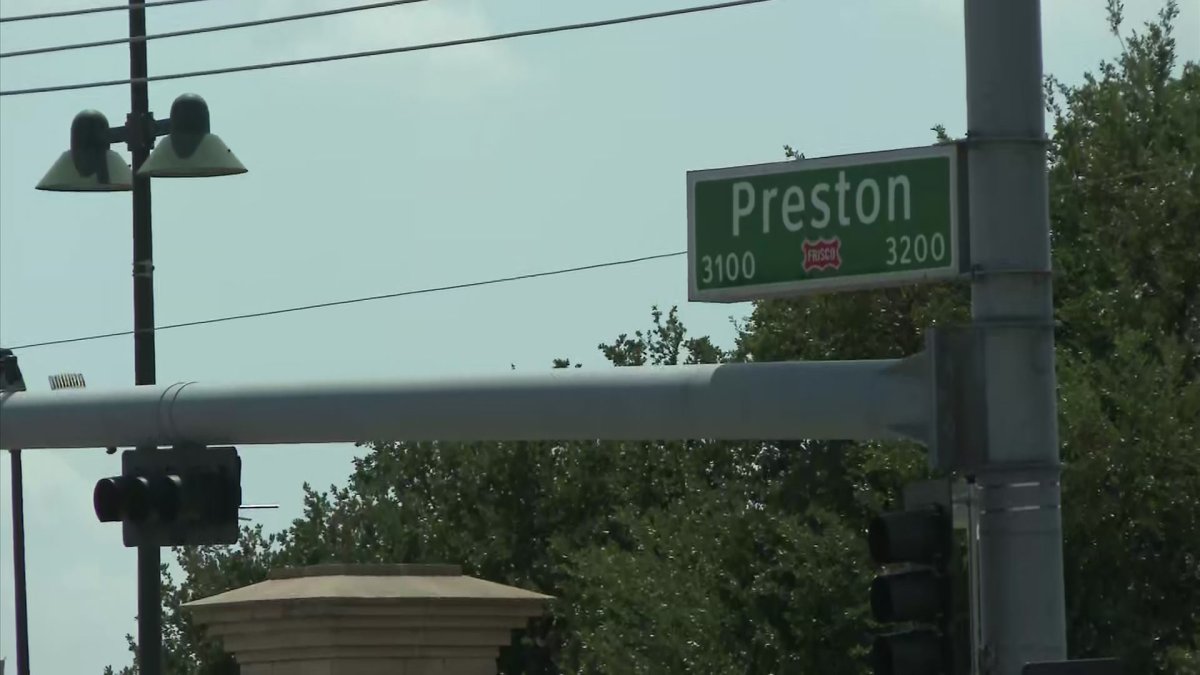
It was a scorching Saturday afternoon when Frisco Police were alerted to a heartbreaking situation. Plano Police, investigating a child’s death at Medical City Plano, notified their Frisco counterparts that the incident likely occurred in their jurisdiction. Detectives learned that Vanessa Esquivel arrived at her workplace on the 3200 block of Preston Road around 2 p.m., leaving her 15-month-old child inside a vehicle she knew lacked functioning air conditioning. “Investigators said 27-year-old Vanessa Esquivel, of Dallas, intentionally left her 15-month-old child for over two hours in a vehicle,” police reported, noting the outside temperature reached at least 95 degrees.
The child, whose identity has not been publicly released, was found unresponsive and later pronounced dead at the hospital. The medical examiner’s findings pointed to heat-related causes, a grim outcome in a state where such tragedies are all too common. The loss has left Frisco, a tight-knit community known for its family-friendly atmosphere, grappling with sorrow and questions about how this could happen.
A Mother’s Arrest and Legal Consequences
On August 20, Dallas Police arrested Esquivel, who was then transferred to Frisco and booked into the Collin County Jail. She faces a first-degree felony murder charge, with authorities stating her actions “met the statutory requirements of Murder” due to the intentional act of leaving the child in a dangerously hot vehicle, resulting in death. “Frisco Police charged Esquivel with murder, saying she intentionally left the child in the car, endangering the child and causing injury that resulted in their death,” the department confirmed. She is being held on a $250,000 bond and has legal representation, though no public statements from her attorney have been reported.
If convicted, Esquivel could face five years to life in prison and a fine of up to $10,000. The severity of the charge reflects the gravity of the incident, which police say was not an accident but a deliberate choice. As the case moves forward, it raises broader questions about accountability and the circumstances that lead to such devastating outcomes.
A Community in Mourning
Frisco, a rapidly growing suburb north of Dallas, prides itself on its strong sense of community and family values. The death of a toddler in such preventable circumstances has struck a deep chord, with residents expressing both grief and frustration. Vigils and online tributes have emerged, honoring the unnamed child and offering support to the family. “This is just heartbreaking,” one local parent shared on social media, echoing the sentiments of many who struggle to comprehend the loss.
The tragedy has also sparked conversations about parental responsibility and the pressures of daily life. While police have not disclosed details about Esquivel’s circumstances—whether she was rushing to work or facing other challenges—the community is wrestling with how to prevent similar incidents. Local leaders are calling for increased awareness and education about the dangers of leaving children in vehicles, especially in Texas’s brutal summer heat.
The Persistent Danger of Hot Cars
The Frisco incident is part of a troubling pattern across Texas and the nation. According to Kids and Car Safety, at least 1,136 children have died in hot cars nationwide since 1990, with another 7,500 surviving with varying injuries. In 2025 alone, Texas has reported three hot car deaths in just four days, bringing the national total to 13 for the year. “There have been three reported hot car deaths within the last four days bringing the nationwide total to 13 for 2025,” data from the nonprofit revealed, highlighting the urgency of the issue.
Children’s bodies heat up three to five times faster than adults’, with heatstroke beginning at a core temperature of 104 degrees and becoming lethal at 107 degrees, according to the Texas Department of State Health Services. Simple precautions, like placing a child’s diaper bag in the front seat as a visual cue or making it a habit to check the back seat, can save lives. Kids and Car Safety recommends placing an essential item—like a phone or employee badge—in the back seat to ensure parents don’t forget their child.
A Call for Prevention and Awareness
In the wake of this tragedy, Frisco Police are urging the public to come forward with any information about the case, offering a non-emergency line (972-292-6010) and an anonymous tip option via Tip411 by texting FRISCOPD to 847411. The department is also emphasizing prevention, echoing national campaigns to raise awareness about hot car risks. “Make sure your child is never left alone in a car,” experts advise, suggesting habits like always opening the back door after parking to ensure no one is left behind.
As Frisco mourns, the case serves as a sobering reminder of the fragility of life and the importance of vigilance. Community organizations are planning workshops to educate parents, while local schools and childcare providers are reinforcing safety protocols. For now, the focus is on healing and ensuring that this child’s death sparks meaningful change, so no other family endures such a preventable loss.