
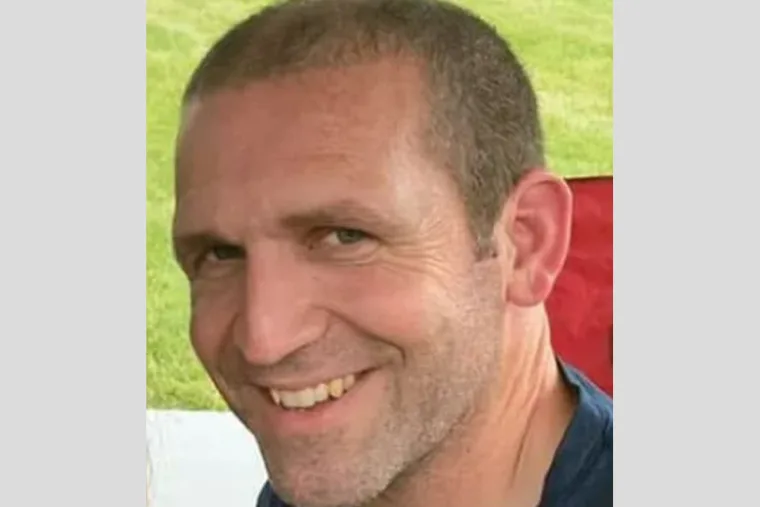
In a remarkable case that captivated attention across the United States and beyond, Ryan Borgwardt, a 45-year-old kayaker, was sentenced to 89 days in jail this week for faking his own death. His elaborate disappearance in August 2024 triggered an extensive and costly search operation, raising questions about personal accountability and the consequences of misleading authorities and loved ones.
The Disappearance That Sparked a Massive Search

Last summer, Ryan Borgwardt’s sudden and mysterious disappearance off the Washington coast ignited fears and launched an intensive search effort by authorities and volunteers alike. Leaving behind his phone, identification, and an overturned kayak, Borgwardt made it appear as if he had met a deadly accident while fishing alone. Rescue teams scoured the waters and surrounding areas for weeks, deploying significant resources to find any trace of him, only to learn the truth months later.
The Motivation Behind the Hoax
Investigations revealed that Borgwardt staged his disappearance in an attempt to escape personal troubles, including relationship difficulties and financial worries, rather than facing them head-on. His decision to fake death was a desperate bid to start anew under the radar. The case highlights psychological pressures that can drive individuals to extreme acts of deception when overwhelmed by real-life problems.
Legal Consequences and Sentencing
Facing charges related to wasting public resources by triggering a false search and rescue operation, Borgwardt pleaded guilty. The judge sentenced him to 89 days in jail, equivalent to the time and effort spent by rescue teams searching for him. Additionally, he was ordered to pay restitution for the costs incurred by emergency responders. The sentencing sends a clear message about the seriousness of mounting costly, deceptive rescues and the ethical responsibility to society.
Community and Law Enforcement Response
Rescue teams and law enforcement officials who invested countless hours in the fruitless search expressed mixed feelings upon learning Borgwardt’s deception. While relieved that no tragedy had occurred, many felt the incident eroded public trust and diverted critical emergency resources away from genuine emergencies. Community members also voiced concerns about the risks such hoaxes pose to personnel safety and public finances.
Broader Implications of False Disappearances
Borgwardt’s case is part of a broader pattern of individuals faking death or serious accidents to evade responsibilities or start anew, a behavior that burdens public safety agencies worldwide. These incidents undermine emergency response systems, cause emotional distress to families, and strain already limited rescue budgets. Experts warn that increasing awareness, mental health support, and legal deterrents are vital to prevent similar cases in the future.
Lessons Learned and Moving Forward
This case serves as a cautionary tale about the consequences of deception and the importance of confronting personal challenges constructively. Law enforcement encourages anyone feeling overwhelmed or in distress to seek support from professionals rather than resorting to harmful measures. The community hopes that Borgwardt’s story will spark conversations about mental health and responsible civic behavior.
In summary, Ryan Borgwardt’s elaborate ruse to fake his death and avoid difficult life situations ended with legal repercussions and a community reflecting on the costs of such deceit. His 89-day jail sentence symbolizes not only justice served but also the value society places on truth and the responsible use of emergency resources. The story continues to resonate as a lesson on accountability and the human need to face challenges rather than escape them.